
Crisis Risk Analysis and Plan Development
At the start of the course, each participant is given a specific facility or organization – for example a hospital, rehabilitation centre, school, municipality, manufacturing plant, or critical infrastructure site.
During the course they build that facility’s crisis-preparedness system step by step.
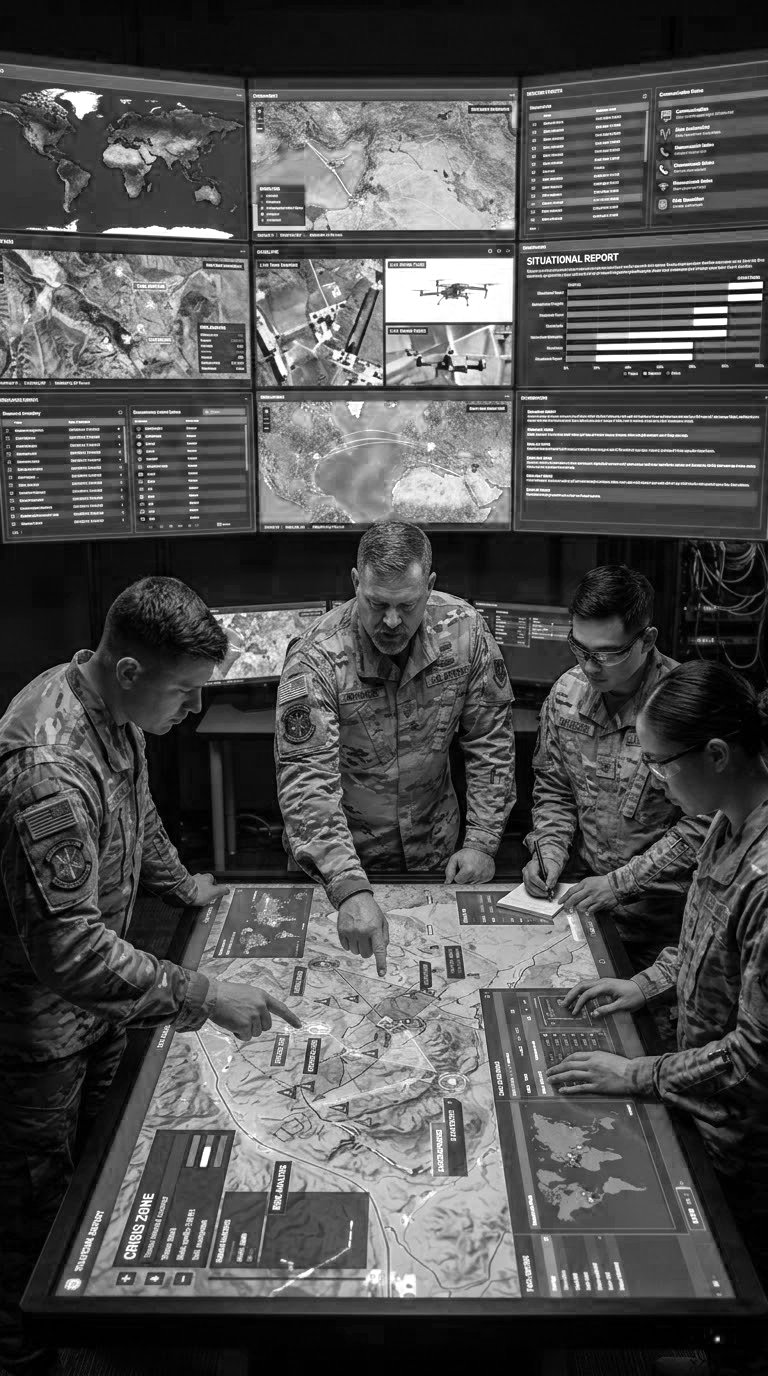
The core principles are…
- Recognise
- Assess
- Prioritise
- Plan
- Act
- Review
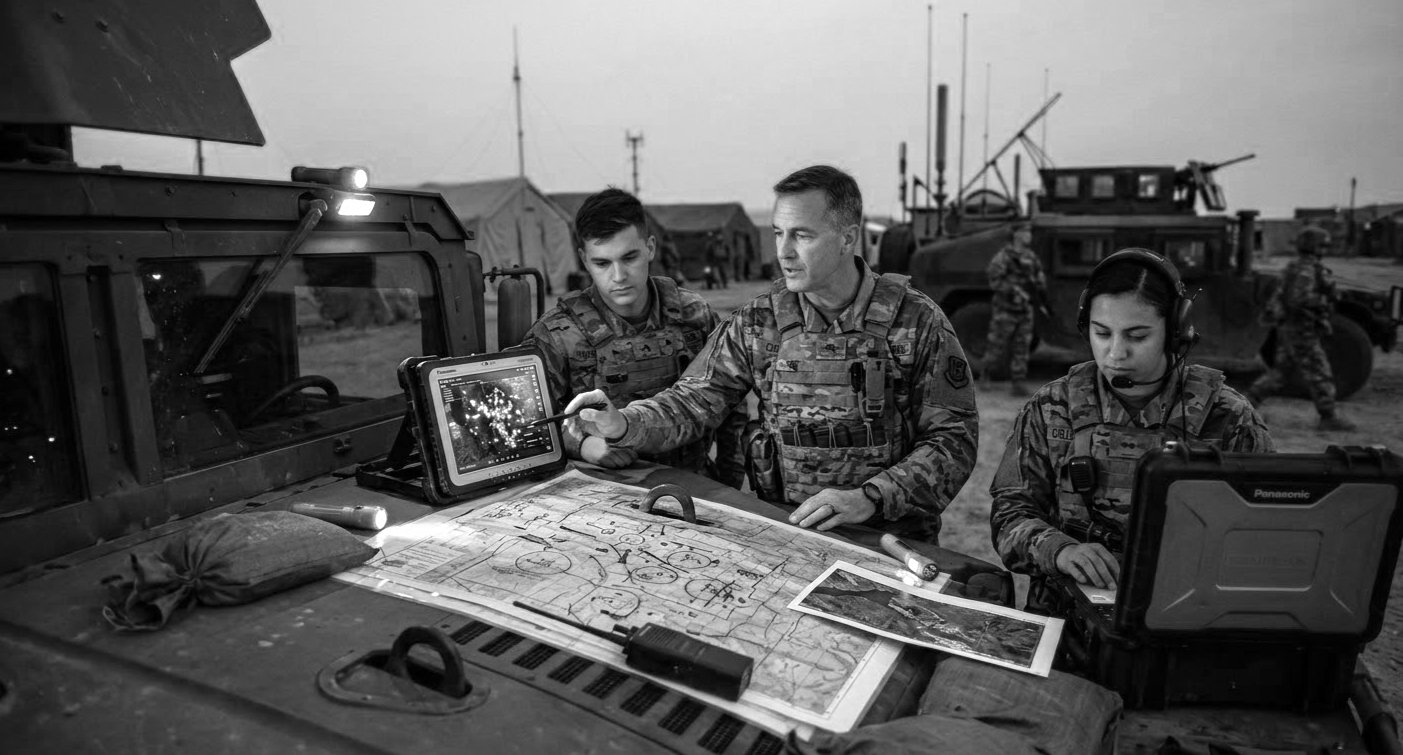
Step by Step
What does the course cover?
What can actually happen to us?
Participants do not learn a ready-made list of risks. They examine the facility and identify the risks themselves: fire, power outage, IT/cyber incident, violent person, explosion, flooding, water shortage, loss of communications, supply interruption, staff shortage, military threat, etc.
Risk Analysis
For each risk they determine probability and impact, vulnerability, preparedness, and recovery time.
What If?
Scenario Analysis
Identification of critical functions
What the organization must keep running at all costs — people’s safety, medical care, communications, water, electricity, IT, transport, security, command and control, etc
Formation of the crisis team
Who makes the decision? Who calls 112? Who contacts the fire service / police / emergency medical service / municipality? Who informs staff? Who speaks to the media? Who organizes evacuation? Who records the decisions that are taken?
Plan development
starting with a one-page action algorithm.
Tabletop Simulation
Plan Testing
Plan Revision
a good plan is created after testing, not merely by writing a document.
Final Assessment
Scenario Exercise